Living in the Future: How AI Smart Homes Will Read Your Mind (and Brew Your Coffee!) | Tech Info
Ever wish your house just knew what you needed without you having to ask? Imagine waking up on a chilly morning, and before your alarm even goes off, the bedroom thermostat nudges up a few degrees, the blinds softly open to natural sunlight, and the smell of freshly brewed coffee invites you to the kitchen. No, this isn't a scene from a sci-fi movie. It's the near future of AI-powered predictive smart homes.
For years, we've lived in the era of "reactive" smart devices. We say, "Hey Alexa, turn on the lights," or tap a smartphone screen to adjust the air conditioning. But the next revolutionary leap isn't about giving orders—it's about anticipation. AI is transforming our living spaces from responsive tools into intuitive assistants that learn your habits and predict your daily needs before you even realize them yourself.
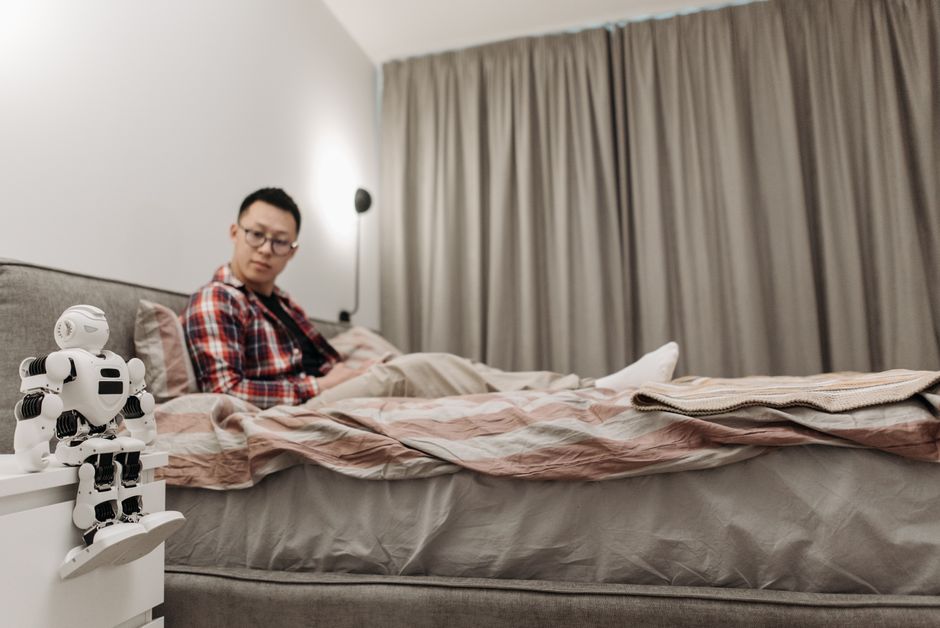

From Voice Commands to Mind Reading: The Evolution of Smart Tech
Current smart home technology relies heavily on manual input or basic automation rules you set up yourself. You program your lights to turn off at 11:00 PM, or you ask your smart speaker to set a dinner timer. While convenient, it still requires your constant, active effort.
Predictive AI flips this script entirely. By leveraging advanced machine learning, Internet of Things (IoT) sensors, and contextual data, your home continuously observes your daily patterns, preferences, and even biometric data. Over time, it learns that when your heart rate drops and your phone docks on the nightstand, you're getting ready to sleep. It doesn't wait for a command—it automatically locks the front door, arms the security system, dims the lights, and lowers the temperature for optimal rest.
A Day in the Life of an Intuitive Smart Home
To understand how incredible this shift will be, let's take a quick walk through a typical day in a predictive smart home:
Morning: Your smartwatch tracks your sleep cycles and notices you're coming out of deep sleep slightly earlier than scheduled. Instead of a jarring alarm, the house gently eases you awake with gradual lighting and warm temperatures. Your coffee maker starts brewing the exact moment your feet touch the floor.
Afternoon: While you're working from home, ambient sensors monitor indoor air quality and natural sunlight. The house adjusts window tints to reduce glare on your computer screen and turns on the air purifier when pollen counts spike outside—keeping you comfortable and focused without a single interruption.
Evening: You walk through the front door after a grueling workday. Recognizing your elevated stress levels and fatigue through wearable tech, your home creates a soothing environment: soft warm lighting turns on, your favorite relaxing music starts playing quietly, and the smart fridge suggests quick, nutritious dinner recipes based on ingredients you already have.
Privacy and Control: The Balancing Act
Of course, having a home that knows your every move raises fair questions about data privacy and control. The good news is that future AI smart home systems are moving toward local processing. This means your personal data stays encrypted inside your home hardware rather than getting shipped off to cloud servers. You will always hold the master key, deciding exactly how much autonomy you want to delegate to your intelligent sanctuary.
Quick Tips to Get Your Home AI-Ready Today
You don't have to wait for the distant future to start building a smarter living space. Here are a few practical steps you can take today to lay the groundwork:
- Upgrade your Wi-Fi network: Predictive AI relies on seamless, real-time device communication. Invest in a reliable mesh Wi-Fi system to eliminate dead zones throughout your house.
- Choose compatible ecosystems: Stick to devices that support unified smart home standards like Matter or Zigbee, ensuring your gadgets can easily "talk" to one another.
- Start with smart sensors: Install motion, contact, and temperature sensors. These act as the sensory system for future AI algorithms to collect environmental data.
- Integrate wearable health devices: Connect your smartwatch or fitness tracker to your smart home apps to bridge the gap between your physical well-being and your room environment.
- Prioritize network security: Keep your router secured with strong passwords, enable two-factor authentication, and update device firmware regularly to protect your personal data.
The Ultimate Goal: Reclaiming Your Time
At the end of the day, predictive smart homes aren't just about flashy gadgets or high-tech novelty. They are about relieving daily cognitive stress. By taking care of dozens of micro-decisions throughout your day—adjusting temperatures, managing energy usage, securing doors, and creating optimal environments—AI allows you to focus on what truly matters: relaxing, spending quality time with loved ones, and living in the moment. The home of tomorrow isn't just smart; it's genuinely supportive.
Post a Comment