How Much RAM Do You Really Need in 2024? The Ultimate Simplified Guide | Tech Info
Buying a new computer or planning an upgrade can feel like trying to translate a foreign language. Amidst all the confusing tech jargon—processors, clock speeds, GPUs—one specification pops up constantly: RAM. But how much RAM do you actually need in 2024? Is 8GB still enough, or should you jump straight to 32GB? Let’s break it down in plain, friendly English so you can spend your hard-earned cash wisely!
What Exactly Is RAM?
Before we dive into numbers, let’s quickly explain what Random Access Memory (RAM) actually does. Think of your computer’s RAM like a physical office desk. The bigger the desk, the more papers, folders, and coffee mugs you can keep open at the same time without cluttering your workspace. Your hard drive or SSD, on the other hand, is like a filing cabinet—it stores everything long-term, but it takes a little longer to pull things out.

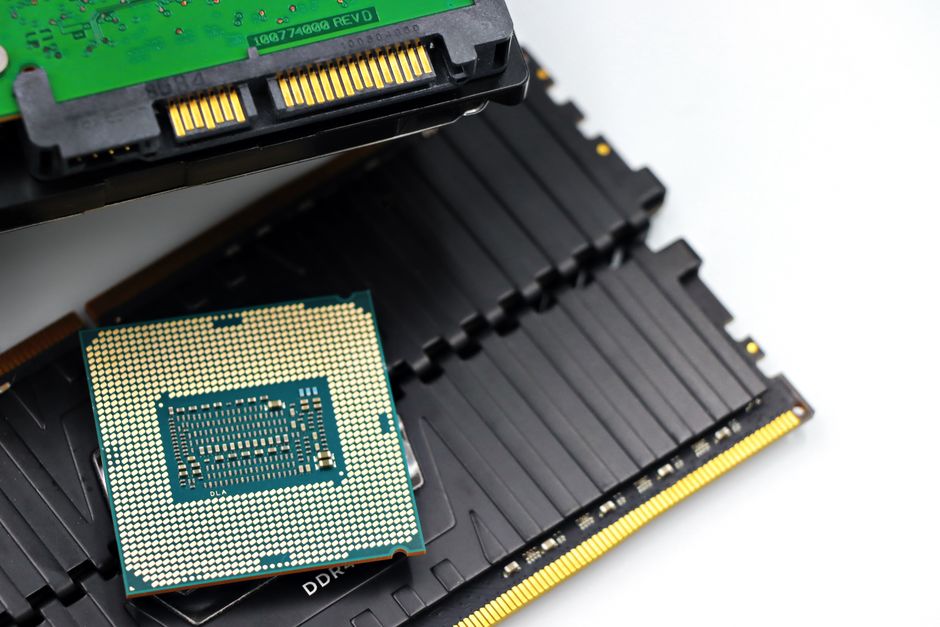
If your desk (RAM) is too small, you constantly have to pack up one project just to open another, which slows you down. That is why having enough RAM is critical for a smooth, lag-free experience.
8GB RAM: The Absolute Minimum in 2024
A few years ago, 8GB was the standard sweet spot. In 2024, however, 8GB is officially the entry-level baseline. Modern operating systems like Windows 11 and macOS consume a decent chunk of memory just to stay running. Add a few Google Chrome tabs, a Spotify stream, and a document editor, and an 8GB desk gets crowded fast.
Who is it for? Casual users who stick to basic web browsing, streaming movies, checking emails, and light document editing. If you are on a tight budget, 8GB will get the job done, but don’t expect seamless heavy multitasking.
16GB RAM: The Sweet Spot for Most People
If you want a computer that feels fast, responsive, and future-proof without breaking the bank, 16GB is the gold standard for 2024. With 16GB, you can easily keep dozens of browser tabs open while listening to music, editing spreadsheets, and participating in video calls without your system breaking a sweat.
Who is it for? Everyday multitaskers, students, office workers, and mainstream gamers. Most modern PC games run smoothly on 16GB of RAM, making it the most practical choice for the vast majority of people.
32GB RAM: For Gamers, Creators, and Power Users
Are you a serious gamer, content creator, or someone who simply refuses to ever close a browser tab? Then 32GB of RAM is your best friend. Modern AAA video games are increasingly memory-hungry, and 32GB ensures you won’t experience stuttering while playing games at high graphics settings with background apps running.
Who is it for? PC gamers who want max settings, photo editors working with high-resolution RAW files, 4K video editors, and professionals running virtual machines or heavy development software.
64GB and Beyond: Extreme Workstations
For 95% of everyday users, 64GB of RAM is total overkill. However, if your computer is a specialized tool for making a living through heavy digital production, extra memory is always welcome.
Who is it for? 3D artists doing complex rendering, 8K video editors, software engineers compiling massive codebases, and data scientists handling huge datasets.
Quick Tips for Choosing the Right RAM
Here are a few quick rules of thumb to keep in mind before you buy:
- Check if it is upgradeable: Many modern laptops (especially MacBooks) have RAM soldered directly to the motherboard, meaning you cannot upgrade it later. Buy what you will need for the next 3 to 5 years today!
- Dual-channel matters: Having two 8GB sticks of RAM (16GB total) is noticeably faster than having a single 16GB stick because your system can access both channels at the same time.
- Prioritize capacity over speed: While faster RAM speeds sound great on paper, having enough capacity makes a much bigger real-world difference than having slightly faster memory.
- Check your current usage: Curious about your habits? Open up Task Manager on Windows (Ctrl + Shift + Esc) or Activity Monitor on Mac to see how much memory you actually use during a typical workday.
Final Thoughts
Choosing the right amount of computer memory doesn't have to be complicated. To wrap things up: 8GB works for light everyday tasks, 16GB is the ideal sweet spot for 90% of users, and 32GB is perfect for heavy gaming and creative production. Figure out which bucket you fall into, and pick the capacity that keeps your digital desk clean and productive!
Post a Comment