Silicon Shakeup: Why ARM is Rewriting the Intel vs. AMD Playbook in 2024 | Tech Info
For as long as most of us can remember, buying a new computer meant making a simple, binary choice: Intel or AMD? It was the ultimate tech rivalry. Team Blue stood for raw, established power, while Team Red represented the scrappy, high-value alternative. You picked your camp, argued with strangers on Reddit, and bought your laptop. But in 2024, that classic playbook has been completely thrown out the window. There is a new giant in town, and it is rewriting all the rules. Welcome to the era of ARM.
The Quiet Revolution Goes Mainstream
While tech enthusiasts have watched Apple transition its entire Mac lineup to ARM-based "Apple Silicon" over the last few years, Windows users felt relatively safe in their x86 bubble. That bubble has officially popped. With the launch of Qualcomm’s Snapdragon X Elite processors and Microsoft's aggressive push for Copilot+ PCs, ARM has officially arrived on Windows in a massive way. No longer a niche experiment, ARM is now a premier tier for everyday laptops.
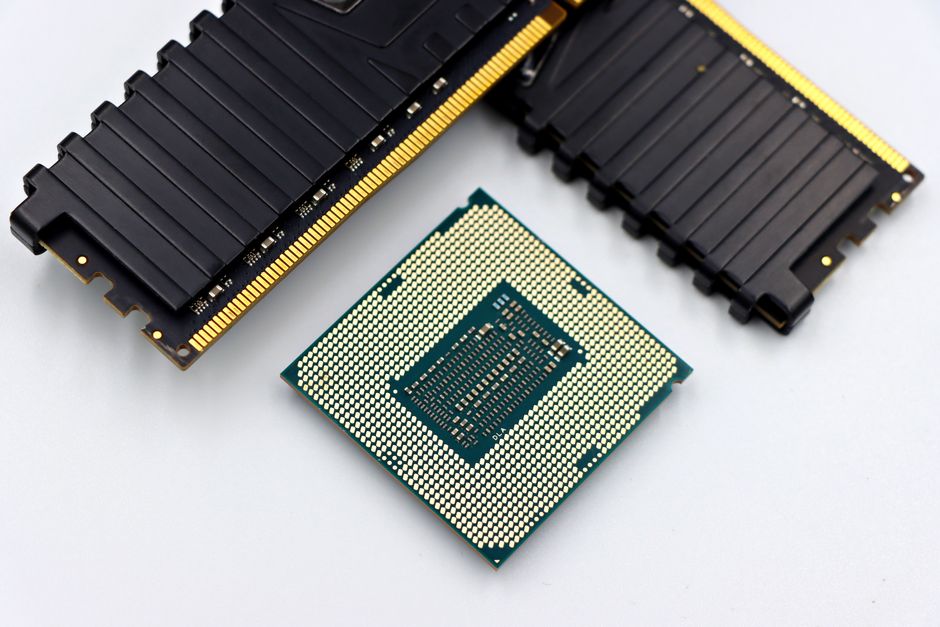

Why ARM is Winning the Efficiency War
To understand why this is a dilemma for buyers, we have to look at how these processors work. Traditional Intel and AMD chips use the x86 architecture. Think of x86 as a heavy-duty pickup truck: it can haul incredibly heavy loads (complex software), but it gulps fuel (battery power) and runs hot. ARM, on the other hand, is like a sleek electric vehicle. It is designed to do the most common daily tasks using only a fraction of the energy.
In 2024, users are prioritizing battery life and silent operation over raw, unused peak performance. Laptops powered by ARM chips are routinely hitting 15 to 20 hours of real-world battery life, all while running whisper-quiet and cool to the touch. For students, remote workers, and travelers, that is a life-changing upgrade that Intel and AMD have historically struggled to match.
The Legacy Giants Strike Back
Of course, Intel and AMD aren't just sitting idly by. Intel’s new Lunar Lake chips and AMD’s Ryzen AI 300 series are fighting back hard, adopting many of the design philosophies that make ARM so successful. They are integrating faster memory, focusing heavily on Neural Processing Units (NPUs) for local AI tasks, and drastically improving their efficiency. This has created a fascinating middle ground, but it also makes the buying decision harder than ever.
The Compatibility Catch
So, is ARM a slam dunk? Not quite yet. The biggest hurdle for ARM-based Windows laptops is software compatibility. Because most Windows apps were written for Intel and AMD's x86 architecture, ARM chips have to "translate" those apps on the fly. While Microsoft’s new "Prism" translation layer is incredibly fast—making everyday apps like Office, Slack, and Chrome run flawlessly—heavy-duty PC gaming and specialized legacy business software still struggle or flat-out refuse to run on ARM.
Quick Tips: How to Navigate the 2024 Processor Dilemma
If you are standing in the laptop aisle trying to figure out which chip is right for you, here is a quick cheat sheet to guide your purchase:
- Choose ARM (Qualcomm Snapdragon, Apple Silicon) if: You prioritize multi-day battery life, want a laptop that stays completely cool on your lap, and your daily workflow consists of web browsing, document editing, and video streaming.
- Choose Intel or AMD if: You are an avid PC gamer, rely on specialized legacy software, or do heavy 3D rendering and video editing that requires maximum compatibility with older plugins.
- Don't sweat the AI hype: All three competitors are packing massive "AI processors" into their 2024 chips. Focus on battery life and app compatibility first; the AI features will perform well regardless of which camp you choose.
The bottom line? The monopoly is over. Whether you choose the incredible efficiency of ARM or the proven compatibility of Intel and AMD, the real winner of the 2024 processor war is the consumer. Happy shopping!
Post a Comment