The Truth About Fast Charging: Is High-Wattage Power Actually Ruining Your Phone? | Tech Info
We have all been there. You have exactly fifteen minutes before you need to run out the door, and your phone battery is sitting at a stressful 12%. You grab your trusty high-wattage fast charger, plug it in, and watch the percentage climb like magic. But as your phone warms up in your hand, a nagging thought creeps in: Is this ultra-fast convenience secretly destroying my battery health?
With smartphones now supporting charging speeds of 45W, 65W, and even a mind-blowing 120W, the debate over battery degradation is hotter than ever. Today, we are going to bust the myths, explain the science, and put your mind at ease once and for all.
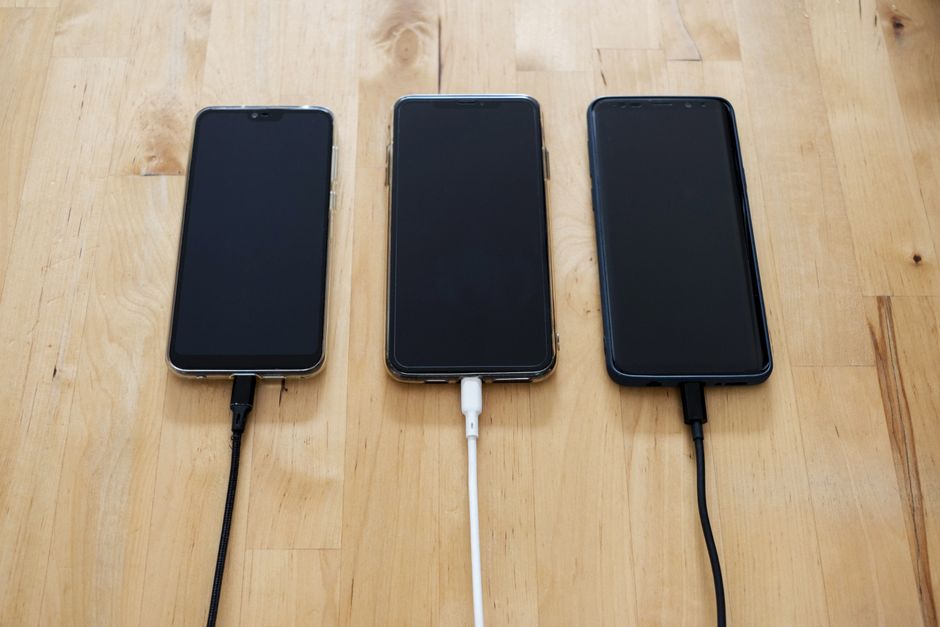

How Fast Charging Actually Works (It's Smarter Than You Think)
Let’s debunk the biggest myth right off the bat: your fast charger does not "force" power into your phone. Many people picture a high-wattage charger as a firehose blasting water into a small bucket. In reality, the process is much more like a polite negotiation.
Your smartphone contains a highly sophisticated built-in chip called the Battery Management System (BMS). When you plug your phone into a high-wattage charger, the BMS acts as a gatekeeper. It communicates with the charger and says, "Hey, I can only handle 25 watts safely right now." Even if you plug a phone rated for 18W into a massive 100W laptop charger, your phone will only draw 18W. Your battery is never overloaded because your phone is always in total control.
The Two-Phase Charge Cycle
To protect the lithium-ion chemistry inside your phone, fast charging is designed to work in two distinct phases:
Phase 1: The Blast Phase (0% to 80%) - This is where the magic happens. When your battery is nearly empty, it can absorb a massive amount of current quickly without sustaining damage. This is why you can get from 0% to 50% in just 15 minutes.
Phase 2: The Trickle Phase (80% to 100%) - As the battery fills up, the BMS deliberately slows down the charging speed. Think of it like parking cars in a lot; when the lot is empty, it is easy to park quickly. When it is nearly full, you have to drive slowly to find an open spot. This slowdown prevents the battery from overheating and keeps the internal components safe.
The Real Enemy: Heat, Not Wattage
While high wattage itself won't hurt your phone, the side effect of fast charging can: heat. Lithium-ion batteries absolutely hate extreme heat. However, smartphone manufacturers are well aware of this and have engineered brilliant workarounds.
Many modern phones now feature dual-cell batteries, meaning the phone splits the incoming power between two smaller batteries instead of overloading one. Other brands have moved the heat-generating voltage conversion circuitry out of the phone and directly into the wall brick itself. This keeps your phone cool while charging at lightning speeds.
Quick Tips to Keep Your Battery Healthy
You don't need to throw away your fast charger to keep your phone running great for years. Just follow these simple, everyday habits:
- Avoid gaming while fast charging: Heavy gaming generates a lot of internal heat. Combining that with the heat of fast charging is a recipe for accelerated battery aging.
- Don't let it bake: Never leave your phone charging under your pillow, on a soft blanket, or in direct sunlight. Keep it on a cool, flat surface.
- Use certified accessories: Always buy chargers and cables from reputable brands. Cheap, uncertified gas-station chargers lack the safety chips needed to regulate power properly.
- Enable smart charging features: Go to your phone settings and turn on features like "Optimized Battery Charging." This pauses charging at 80% overnight and finishes the last 20% right before you wake up.
The Verdict
So, should you stop using your fast charger? Absolutely not! Modern smartphone engineering is incredibly advanced. While fast charging might cause a microscopic amount of extra wear over several years compared to slow charging, the sheer convenience of fast charging far outweighs the minor difference. Go ahead, plug in, power up, and enjoy your day!
Post a Comment