Silicon vs. Code: Why Your Next Tech Upgrade Won't Be Something You Can Touch | Tech Info
Remember the pure, unadulterated joy of unboxing a brand-new gadget? That satisfying peel of the plastic screen protector, the smell of fresh-out-of-the-factory electronics, and the hefty weight of new hardware in your hand. For decades, "getting a tech upgrade" meant exchanging your hard-earned cash for a physical, tangible box of silicon and metal.
But times are changing. The most exciting tech upgrade you experience this year probably won't come in a cardboard box delivered to your doorstep. Instead, it will arrive silently overnight, over your Wi-Fi network, while you sleep. We are officially entering the era of the intangible upgrade, where code—not silicon—is king.

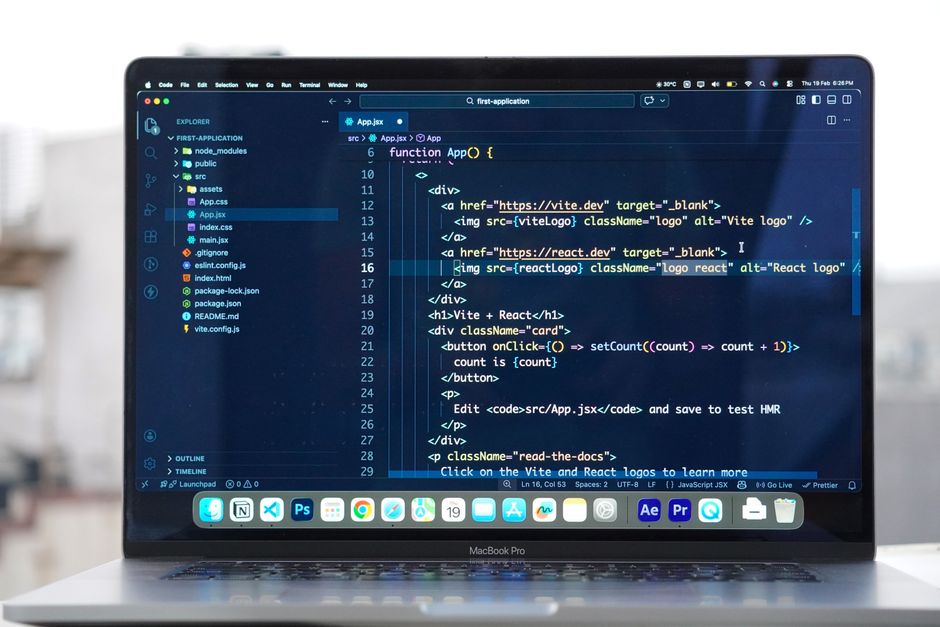
Why Silicon Has Hit a Wall (And Code is Saving the Day)
For a long time, chipmakers lived by Moore's Law, which basically predicted that computers would get twice as fast every two years. But we are reaching the physical limits of how small we can make silicon transistors. It is getting harder and more expensive to squeeze extra performance out of raw hardware.
Enter software, and more specifically, Artificial Intelligence. Instead of making physical camera lenses bigger, phone companies now use "computational photography"—smart software algorithms that instantly clean up, brighten, and sharpen your photos. Your phone's camera didn't physically change, but a software update made it perform like a professional DSLR. The hardware stayed the same; the code just got smarter.
From Your Phone to Your Car: Upgrades in the Cloud
This shift isn't just happening to our smartphones. Look at modern electric vehicles. Ten years ago, if you wanted a faster car with better battery range, you had to trade your vehicle in for a newer model. Today, Tesla, Rivian, and other automakers regularly send Over-The-Air (OTA) software updates that physically improve braking distances, increase battery efficiency, and add autonomous driving features while the car sits in your garage.
The same goes for smart home devices, noise-canceling headphones, and even television sets. We are buying hardware once and letting software recreate it over and over again. Your next "new" device is actually the old one you already own, supercharged by a fresh algorithm.
Quick Tips to Keep Your Current Tech Feeling Brand New
Since the best upgrades are now digital, you don't need to spend a thousand dollars to get that "new tech" feeling. Here is how you can unlock the power of code on your existing devices right now:
- Don't skip the updates: It sounds simple, but keeping your operating systems (iOS, Android, Windows, macOS) up to date is the easiest way to get free new features and speed boosts.
- Clear out the digital clutter: A bloated cache can slow down even the fastest devices. Do a monthly sweep of unused apps and photos to give your software room to breathe.
- Embrace web-based AI tools: You don't need a new laptop to use cutting-edge AI. Tools like ChatGPT, Midjourney, and cloud-based photo editors run on remote servers, meaning your five-year-old laptop can run them just as fast as a brand-new one.
- Reboot weekly: It is the oldest trick in the book for a reason. A simple restart clears out temporary RAM clogs and lets your software run at its absolute best.
The Future is Invisible
So, the next time you feel the itch to buy the latest gadget, take a step back and look at what you already own. We are no longer defined by the physical limits of the plastic and glass in our hands. Through the power of code and the cloud, our devices are living, breathing tools that grow wiser, faster, and more capable with every passing day. Your next great tech upgrade is already here—you just have to download it.
Post a Comment