Intel Core Ultra vs. Snapdragon X Elite: The Ultimate AI PC Showdown | Tech Info
We have all heard the buzzword by now: the "AI PC." Tech giants are promising that our next laptops will practically think for us, offering mind-blowing productivity boosts, instant image generation, and local AI assistants that do not need an internet connection to work. But behind all the marketing hype, two silicon titans are locked in a fierce battle to power this new era: Intel with its Core Ultra series, and Qualcomm with the groundbreaking Snapdragon X Elite.
If you are looking to buy a new laptop today, you are likely staring at these two options and wondering: which one actually delivers on the AI promise, and which one is just riding the hype wave? Let’s break down the differences in a friendly, no-jargon way to help you decide which chip deserves a spot on your desk.
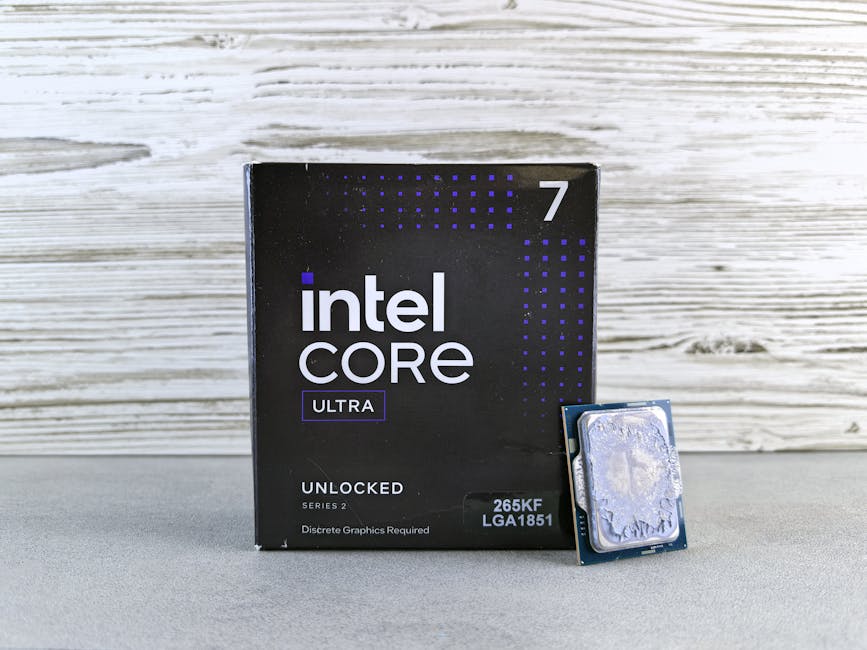

The Contenders: Legacy Power vs. The New Kid on the Block
To understand this battle, we first have to understand who these processors are. Intel Core Ultra represents the traditional x86 architecture that has powered our PCs for decades. Intel’s big play here is combining their classic CPU power with a new dedicated Neural Processing Unit (NPU) to handle AI tasks without draining your battery.
On the other side, we have the Snapdragon X Elite. Built on ARM architecture (similar to what powers your smartphone and Apple’s highly successful M-series chips), this processor is designed from the ground up for extreme efficiency and massive AI processing power. Qualcomm isn't just trying to compete; they want to completely redefine what a Windows laptop can do.
Raw AI Power: Let's Talk TOPS
In the world of AI PCs, the magic number is "TOPS," which stands for Trillions of Operations Per Second. This is how we measure how fast an NPU can process AI workloads locally on your device.
Qualcomm’s Snapdragon X Elite is an absolute beast in this category. Its NPU boasts a whopping 45 TOPS, which easily clears the threshold Microsoft set for its official "Copilot+ PC" designation. Intel's first-generation Core Ultra chips lagged behind at around 11 to 16 NPU TOPS, though their newer Core Ultra Series 2 (Lunar Lake) chips have fired back with up to 48 NPU TOPS.
What does this mean for you? If you are running local AI models, using live language translation, or blurring your background on video calls, both chips can handle it, but Qualcomm’s architecture was built for this kind of workload from day one, offering incredibly snappy responses.
The Compatibility Catch: x86 vs. ARM
This is where the road splits. Because Intel uses the traditional x86 architecture, every single Windows app you have ever used will work perfectly on an Intel Core Ultra laptop. No hiccups, no translation layers, just pure compatibility. For professionals who rely on niche software, older legacy apps, or PC gaming, Intel is the safe, reliable harbor.
The Snapdragon X Elite, being an ARM chip, has to translate older x86 apps so they can run. While Microsoft’s translation tool (called Prism) is incredibly good, some apps—especially those with heavy anti-cheat software or deeply integrated drivers—simply won't run. If you stick to popular apps like Microsoft Office, Adobe Creative Cloud, Slack, and web browsers, Snapdragon runs them natively and beautifully. But if you have a highly specific workflow, you might run into a roadblock.
Battery Life: The Real-World Superpower
While AI features are cool, what good are they if your laptop dies in four hours? This is where the Snapdragon X Elite absolutely dominates. Because of its mobile-first ARM heritage, it sips power. Snapdragon laptops regularly clock in at 15 to 20 hours of real-world battery life, easily rivaling Apple's MacBooks. You can literally leave your charger at home.
Intel’s Core Ultra has made massive strides in efficiency compared to older Intel generations, especially with the newer Series 2 chips. However, for sheer standby time and lightweight usage longevity, Snapdragon still holds the crown.
Quick Tips: How to Choose Your Next AI PC
Still undecided? Let’s make it simple. Here is a quick guide to help you choose the right processor for your specific needs:
- Choose Snapdragon X Elite if: You prioritize mind-blowing battery life, want a thin and light laptop that stays completely cool, and primarily use mainstream apps, web browsers, and productivity tools.
- Choose Intel Core Ultra if: You need guaranteed compatibility with every Windows app ever made, enjoy casual PC gaming on the side, or rely on specialized software for engineering, music production, or legacy business database management.
- Look at the "Copilot+" label: If you want the absolute latest Windows AI features (like Recall and Cocreator), make sure the laptop is designated as a Copilot+ PC, which requires at least 40 NPU TOPS.
The Verdict: Who Wins?
If we are talking about which processor truly delivers on the *revolutionary* promise of a next-generation AI PC, the Snapdragon X Elite takes the trophy. It brings the smartphone-like efficiency, instant-on capability, and dedicated AI power that makes the laptop feel truly futuristic.
However, Intel’s Core Ultra is the pragmatic winner for the vast majority of users who just want a great laptop that works with everything, today. Whichever you choose, the future of personal computing is looking smarter, faster, and much more efficient!
Post a Comment