Bye-Bye, "Password123": How Behavioral Biometrics is Quietly Saving Us from Password Fatigue | Tech Info
Let's be honest for a second. How many times this week have you clicked that dreaded "Forgot Password" link? We’ve all been there. Our digital lives are locked behind an endless wall of uppercase letters, special characters, and numbers we can never seem to remember. But what if the key to your digital identity wasn't something you had to memorize? What if it was simply... you?
Enter behavioral biometrics—the quiet revolution that is slowly but surely making traditional passwords a thing of the past. Without you even noticing, technology is learning to recognize you by the way you interact with the world.

What Exactly is Behavioral Biometrics?
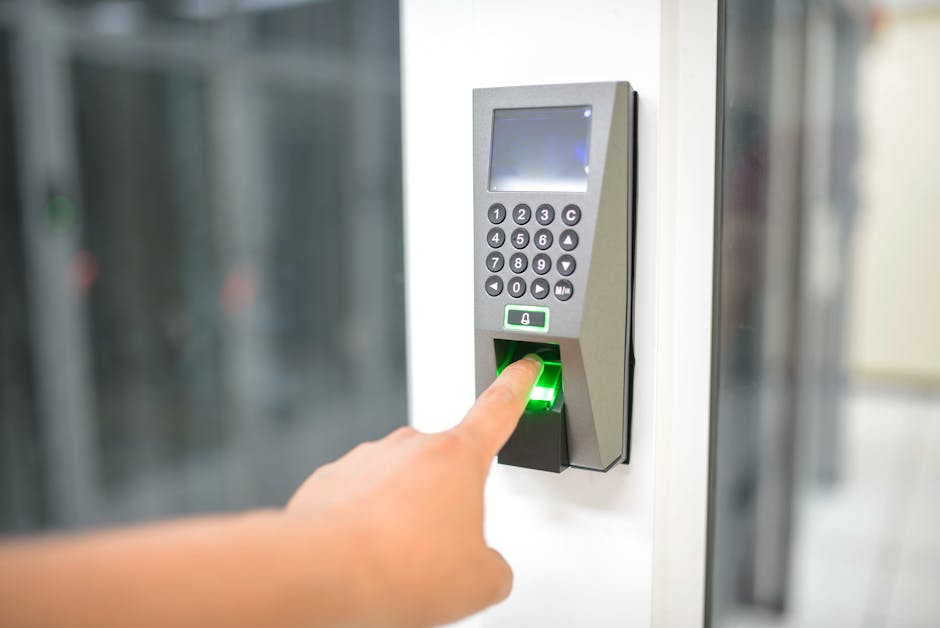
You’re probably already familiar with physical biometrics. You use your face to unlock your smartphone, or your fingerprint to log into your banking app. That’s great for opening the digital front door, but it’s a one-time gatekeeper. Once you are logged in, the system assumes everything is fine.
Behavioral biometrics takes security to a whole new level. Instead of looking at who you are physically, it looks at how you do things. It measures your unique habits and gestures as you interact with your device. Think of it as a digital signature that you are constantly writing, entirely subconsciously, every single time you go online.
The Silent Protectors: How It Works in the Background
While you are scrolling through your favorite app or typing out an email, behavioral biometrics is working quietly in the background. It analyzes a variety of incredibly subtle patterns, including:
- Keystroke Dynamics: The rhythm, speed, and amount of pressure with which you type on your keyboard.
- Mouse Movements: The unique curves, speed, and precision of your cursor movements on a desktop.
- Screen Swipe Patterns: The specific angle at which you hold your phone and how your thumb swipes across the glass screen.
- Device Orientation: How you naturally tilt and hold your device when reading or walking.
If a fraudster somehow steals your username and password, the moment they try to log in and use your account, the system will immediately notice. Because their typing rhythm and screen swipe patterns don't match yours, the system flags the activity. Just like that, the imposter is blocked, and you didn't have to lift a finger.
Why This is a Game-Changer for Cybersecurity
The true beauty of behavioral biometrics lies in its friction-free nature. Traditional security measures often feel like a roadblock. Two-factor authentication (2FA) text codes are secure, but they interrupt your day. Behavioral biometrics offers what experts call "continuous authentication." It verifies that you are still you throughout your entire session, not just at the initial login screen.
Additionally, it is almost impossible for hackers to spoof. A cybercriminal can buy your password on the dark web, but they cannot easily replicate the exact millisecond delays between your keystrokes or the unique way your hand shakes when you hold your phone.
Quick Tips for the Age of Invisible Security
As we transition into this exciting passwordless future, here are a few simple ways you can keep your digital presence secure and smooth:
- Embrace Passkeys: If your favorite websites or apps offer "Passkeys" (which utilize your device's built-in biometric chips), turn them on! It is the first major step toward a password-free life.
- Keep Your Devices Updated: Security algorithms rely on up-to-date operating systems to run these advanced behavioral analysis tools smoothly.
- Don't Share Your Devices: Since behavioral systems learn your specific habits, letting friends use your unlocked accounts might occasionally trigger false security alerts. Keep your personal profiles to yourself!
The traditional password has had a long, frustrating run, but its days are officially numbered. By turning our everyday digital habits into our strongest shields, behavioral biometrics is making the internet a safer, friendlier place. The best part? You don't have to remember a single thing.
Post a Comment