Why Emojis Might Be the Secret to Creating Unhackable Passwords | Tech Info
We use them to show we are laughing, crying, craving pizza, or just feeling a bit sassy. Emojis have completely transformed how we communicate online. But what if these colorful little icons could do more than just spice up your group chats? What if they were actually the secret weapon to creating incredibly secure, virtually unhackable passwords?
It sounds like a joke, but cybersecurity experts are starting to take emoji passwords very seriously. Let’s dive into the fascinating, slightly quirky world of emoji security and explore why swapping your traditional letters and numbers for a string of smiley faces and rocket ships might be the best digital security move you make today.

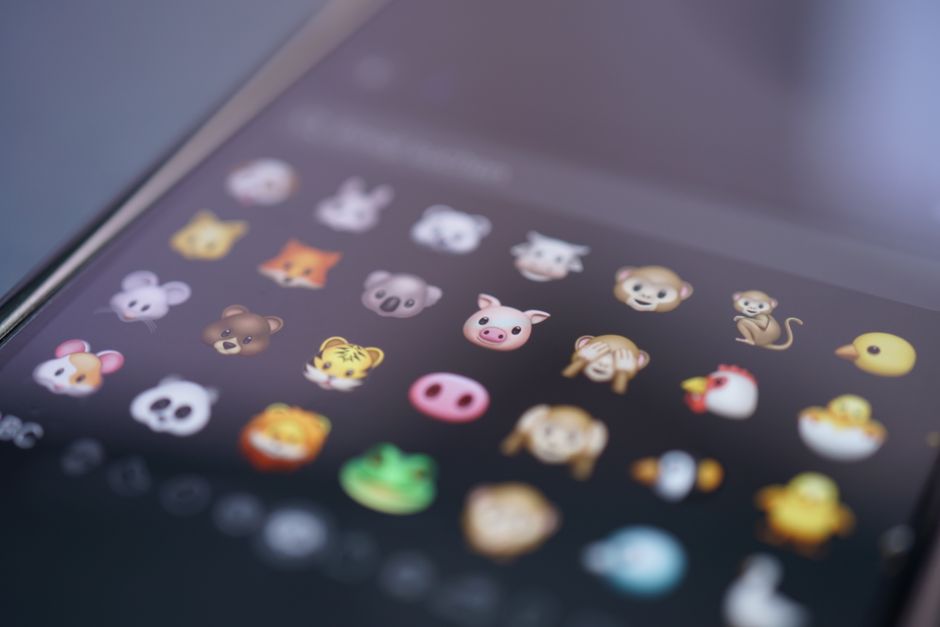
The Mind-Boggling Math of Emoji Security
To understand why emojis are so secure, we have to talk about entropy, which is just a fancy word for password randomness. When you create a password using standard keyboard characters, you are limited to about 95 options. This includes lowercase letters, uppercase letters, numbers, and common symbols like exclamation points or dollar signs.
Emojis, however, play by a completely different set of rules. There are currently over 3,600 official emojis in the Unicode standard. When you build a password using emojis, the number of possible combinations skyrockets exponentially. A simple five-character password made of random emojis is mathematically harder to guess or brute-force than a five-character password made of standard letters and numbers. By using emojis, you are essentially presenting hackers with a needle in a digital haystack the size of Jupiter.
Why Our Brains Love Emojis (And Hackers Hate Them)
Have you ever struggled to remember a complex password like "Tr0P!c@l99"? You are not alone. Human brains are wired to remember visuals and stories much better than random strings of text and symbols. This is where emojis truly shine.
It is incredibly easy to remember a visual story. For example, you could easily remember "My cat went on a rocket to eat pizza on the moon" and translate that into four simple emojis: a cat, a rocket, a pizza slice, and a crescent moon. To you, it is a fun, memorable picture story. To a hacker's automated cracking tool, it is an incredibly complex sequence of advanced Unicode characters that could take lifetimes to crack.
The Hacker's Worst Nightmare
Most cybercriminals use automated software that runs "dictionary attacks" to guess passwords. These tools are pre-programmed with common words, names, and predictable substitutions (like replacing the letter 'S' with a '$').
However, these hacking tools are rarely configured to scan through thousands of emojis. Standard brute-force tools would crash, stall, or take an astronomical amount of time to process emoji-based combinations. By putting emojis in your password, you are effectively taking yourself off the radar of standard automated hacking scripts.
The Catch: Why Emojis Aren't Everywhere Yet
Before you go and change all your passwords to a string of dancing monkeys, there is one major catch: compatibility. Not every website or app is built to handle emojis in password fields. Some systems might reject them outright, while others might fail to log you in when you try to type them from a different device.
Typing emojis can also be a bit of a hassle on desktop computers compared to smartphones. However, as cybersecurity evolves, more platforms are beginning to adopt full Unicode support, making emoji-friendly security the future.
Quick Tips for Emoji Password Success
- Start small by adding just one or two emojis to your existing strong passwords.
- Test the website first to ensure it accepts and correctly processes emojis in the password field.
- Create a visual story (like "dog running from rain into a house") to make your password impossible to forget.
- Avoid using the most popular emojis, like the simple laughing-crying face, as hackers might start targeting those first.
- Keep a secure, non-emoji backup of your password in a trusted password manager just in case you need to log in from an older device.
While the world of cybersecurity is always changing, emojis offer a refreshing, fun, and mathematically superior way to protect your personal data. So go ahead, unleash your inner artist, and start building a digital fortress with the power of emojis!
Post a Comment