Overnight Charging and Other Lies: What Actually Destroys Your Smartphone Battery | Tech Info
We’ve all been there. It’s 11:00 PM, your phone is at 12%, and you’re faced with the ultimate modern dilemma: Do you plug it in and let it charge overnight, potentially "killing" the battery, or do you wake up to a dead phone? For years, the internet has been flooded with horror stories about batteries exploding or losing their capacity because they were left on the charger for too long. But here’s the truth: most of what you’ve heard is either outdated or flat-out wrong.
Today, we’re going to debunk the myths and look at the actual science behind what makes your smartphone battery age. If you want your device to last more than a year without needing a permanent tether to a power bank, pull up a chair. Let’s get into the real chemistry of smartphone longevity.
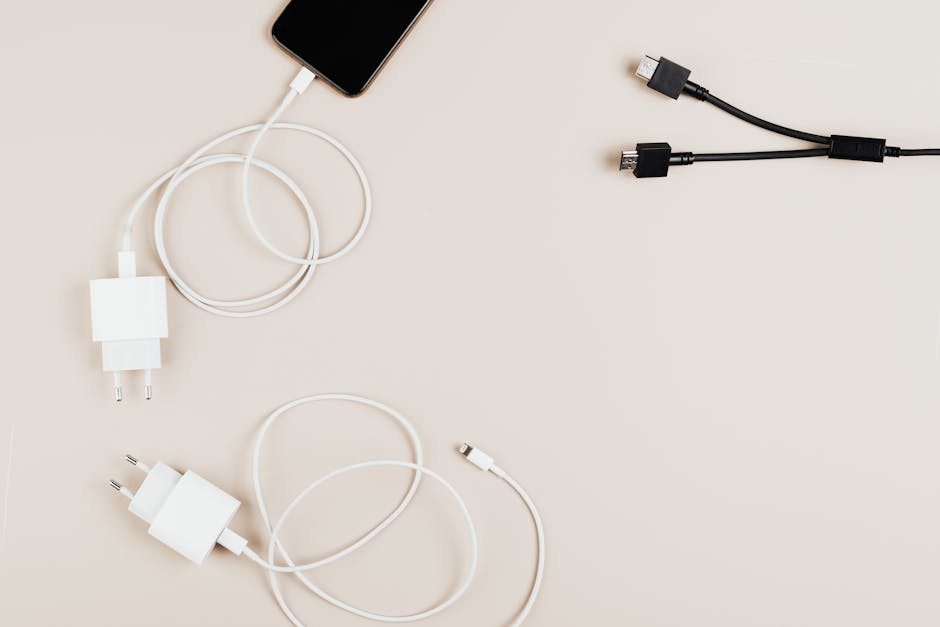
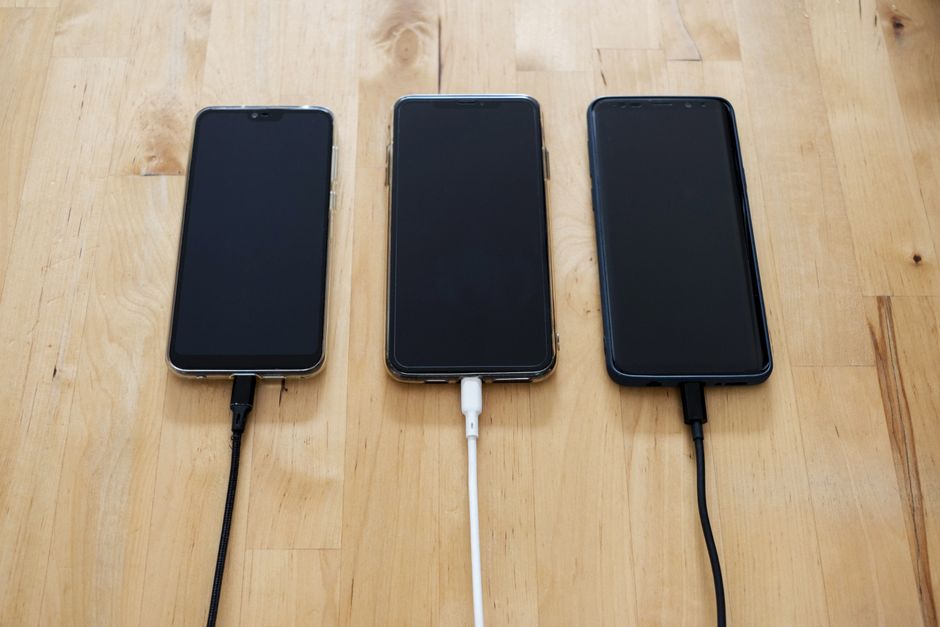
The Myth of "Overcharging"
Let’s put the biggest lie to rest first: You cannot "overcharge" a modern smartphone. Your phone is likely smarter than you give it credit for. Modern devices use lithium-ion batteries and are equipped with sophisticated protection chips. Once your battery hits 100%, the internal controller stops the flow of electricity. Your phone isn't "drinking" power all night; it’s simply sitting there. However, there is a small catch called "trickle charging." When the battery drops to 99%, the charger kicks back in to top it off. While this won't make your phone explode, the constant cycling can create a small amount of heat, which brings us to the real villain.
The Real Killer: Excessive Heat
If there is one thing a lithium-ion battery hates more than anything else, it’s heat. Heat accelerates the chemical reactions inside the battery, leading to faster degradation. This is why overnight charging can be slightly problematic—not because of the electricity, but because of the temperature. If you charge your phone under a pillow or in a thick, suffocating case, the heat has nowhere to go. Over time, this "slow cooking" of your battery is what actually reduces its lifespan. If you’re going to charge overnight, keep it on a flat, hard surface in a cool room.
The 20-80% Golden Rule
Batteries are like humans; they don’t like being pushed to their absolute limits. In technical terms, batteries experience the most "stress" when they are completely empty (0%) or completely full (100%). Think of it like a rubber band—stretching it to its absolute maximum or letting it go completely slack all the time wears it out faster.
The "sweet spot" for a healthy battery is between 20% and 80%. If you keep your phone within this range, you can significantly extend the number of charge cycles it can handle. Most modern iPhones and Androids now have a feature called "Optimized Battery Charging" that actually learns your routine and waits to finish the last 20% of the charge until just before you wake up. Use it!
Quick Tips for a Healthy Battery
To keep your phone running like new for as long as possible, follow these simple, science-backed habits:
- Avoid the Zero: Try not to let your phone drop to 0%. Plug it in when it hits 15% or 20%.
- Remove the Case: If your phone feels hot while charging, take the case off to help it dissipate heat.
- Use Original Chargers: Cheap, off-brand chargers often lack the proper voltage regulation, which can "fry" your battery’s health.
- Update Your Software: Manufacturers often include battery management improvements in OS updates.
- Avoid Gaming While Charging: Running high-intensity apps while plugged in generates massive amounts of heat—the ultimate battery killer.
Final Thoughts
At the end of the day, your smartphone is a tool meant to serve you, not the other way around. Don't lose sleep over your charging habits. While following the 20-80% rule and keeping your phone cool will certainly help, batteries are ultimately consumable parts. They will eventually wear out regardless of how careful you are. But by ignoring the myths and focusing on managing heat and extreme discharge, you can ensure your phone stays snappy and reliable for years to come.
Post a Comment